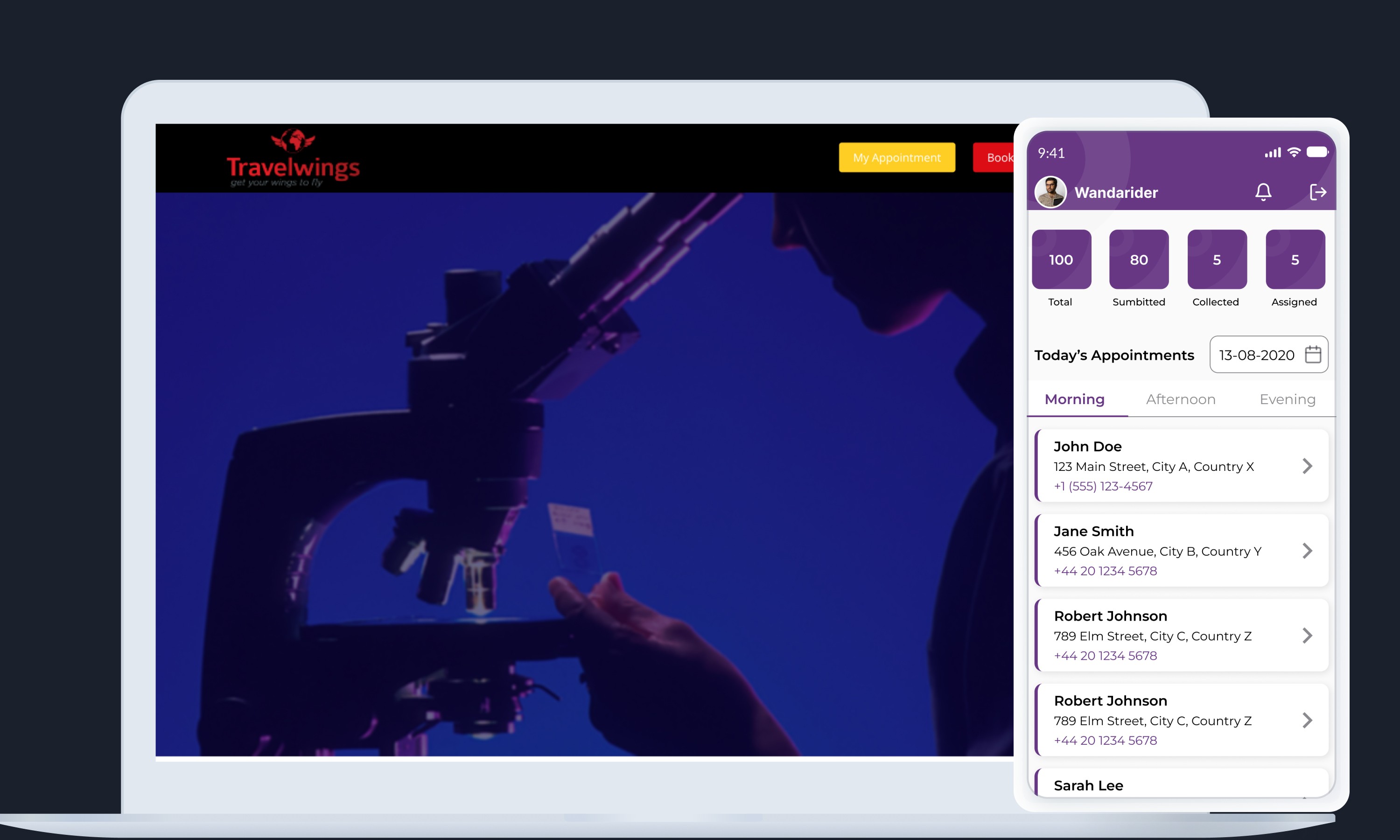
Scroll Down
At a Glance
As a UI/UX designer for the RTPCR portal, I played an important role in creating a user-friendly experience for individuals, businesses, and sample collection riders. I focused on making the booking process easier, ensuring that the design works well on different devices, maintaining the brand's consistency, and adding real-time communication features. The structure of the information was carefully organized for easy navigation, and strong security measures were implemented to protect user data. By working collaboratively and prioritizing accessibility, the portal was designed to provide a smooth and safe experience for all stakeholders.
Timeline
4 Weeks
My Role
UI UX Designer
Team Lead
Collaboration
1 Manager
1 Business Analyst
1 Team of SWEs
Platform
Figma
Miro
Photoshop
Illustrator
Client's Need
The client requires a complete solution for RTPCR testing that meets the requirements of individual customers, businesses, and sample collection riders. The main focus is on creating a user-friendly experience through a simplified RTPCR Test Booking Portal and a Sample Collection Rider Mobile App. The portal should make the booking process easier, provide real-time updates, and offer secure user accounts for result tracking. For businesses, a centralized administration system is essential. The mobile app for sample collection riders should optimize routes, ensure effective communication, and facilitate smooth sample handling. Throughout the design process, collaboration, adherence to brand guidelines, and a commitment to data security and privacy are emphasized. The aim is to deliver a seamless, secure, and accessible solution that improves the efficiency of RT-PCR testing for all stakeholders involved.
Project Goals
Create a user-friendly platform for booking RT-PCR tests at home and lab
Optimize the booking process to save time for busy users
Create a user-friendly platform for lab person for home booking blood sample collection and submit it to the selected lab with optimize process
Integrate with payment gateways for seamless transactions
Provide quick updates and clear instructions to users
Project Constraints
Complete the project within a tight timeline
Work within a limited budget
Ensure compatibility with multiple devices and browsers
Adhere to accessibility standards for users with disabilities
Comply with data protection regulations
Project Assumptions
Users have access to internet and a smartphone or computer
Users are comfortable with online booking and payment processes
Users are willing to provide necessary personal information for testing
Users expect reliable and accurate test results
Users value convenience and time-saving features
Success Criteria
Achieve a high user satisfaction rating
Increase the number of bookings by 20% within 6 months
Maintain a 99% uptime for the platform
Ensure a secure and encrypted data transmission
Receive positive feedback from users regarding the clarity of instructions
Deliverables
User interface design for the booking platform (B2C)
Mobile app for iOS and Android (B2B)
Backend system for managing bookings and user data (B2B)
Integration with payment gateways
Documentation and user manuals
Project Phases
Problem Statement
To understand the users problems, I carefully read through all the client documents and current systems in the market for competitor research. I initiated 4 meetings with the Stakeholder, Product owner, PM, BA to clarify the user situations and the user problem. The PM, BA did not plan to conduct another round of user research or user testing, so I worked within the constraint and made full use of existing resources. I incorporated the insights into the 5 problem statements.
Our Solution
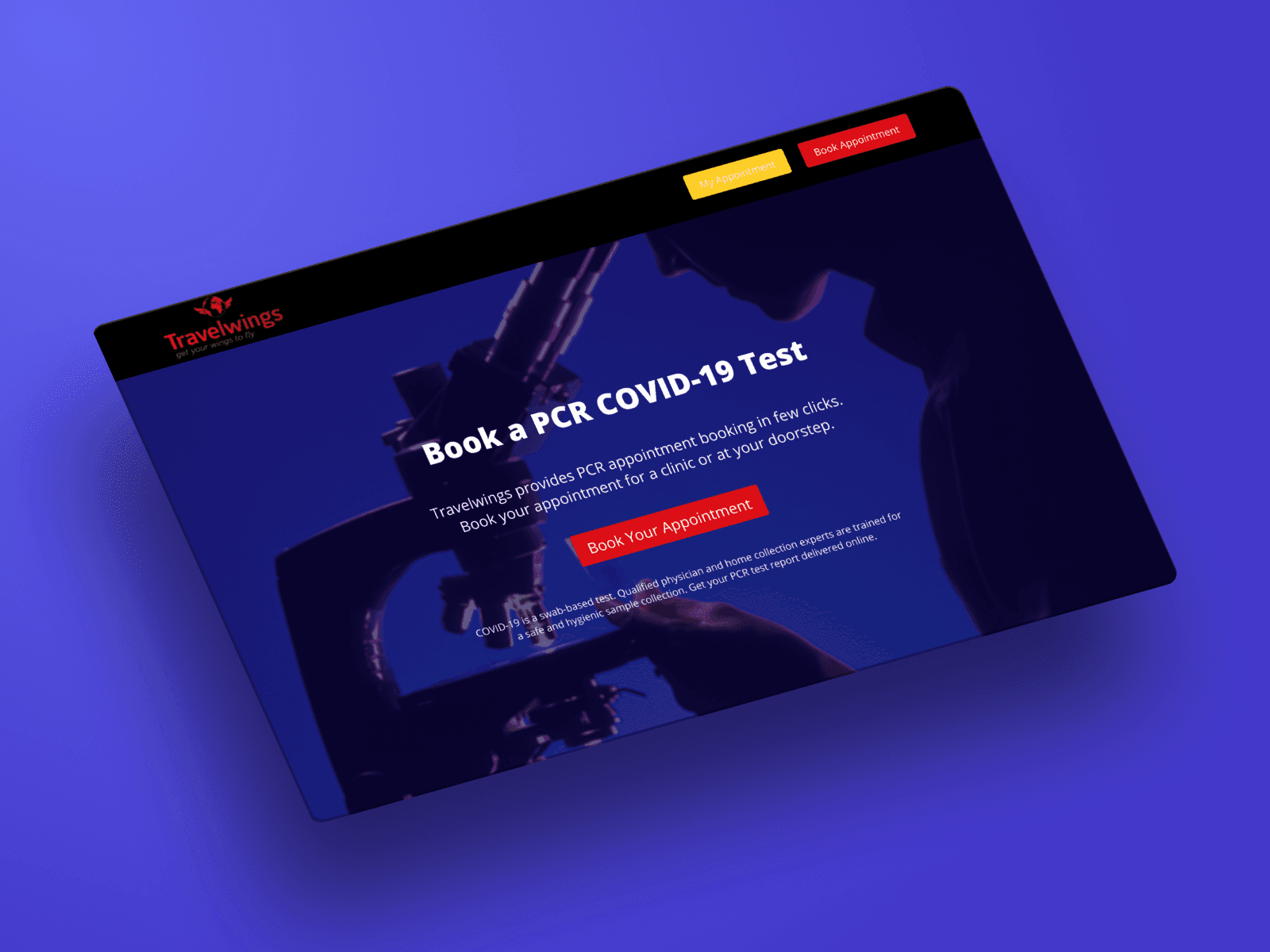
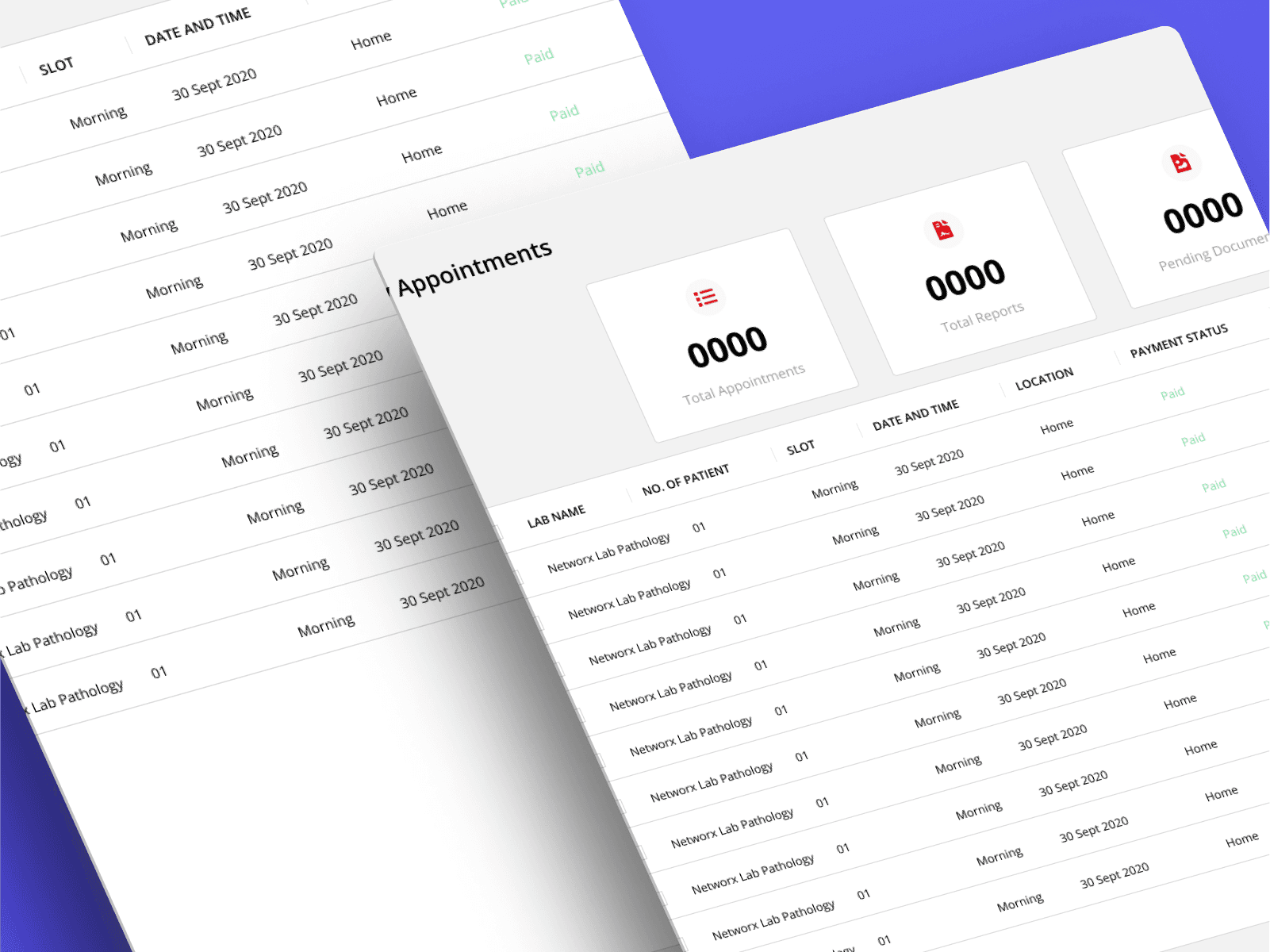
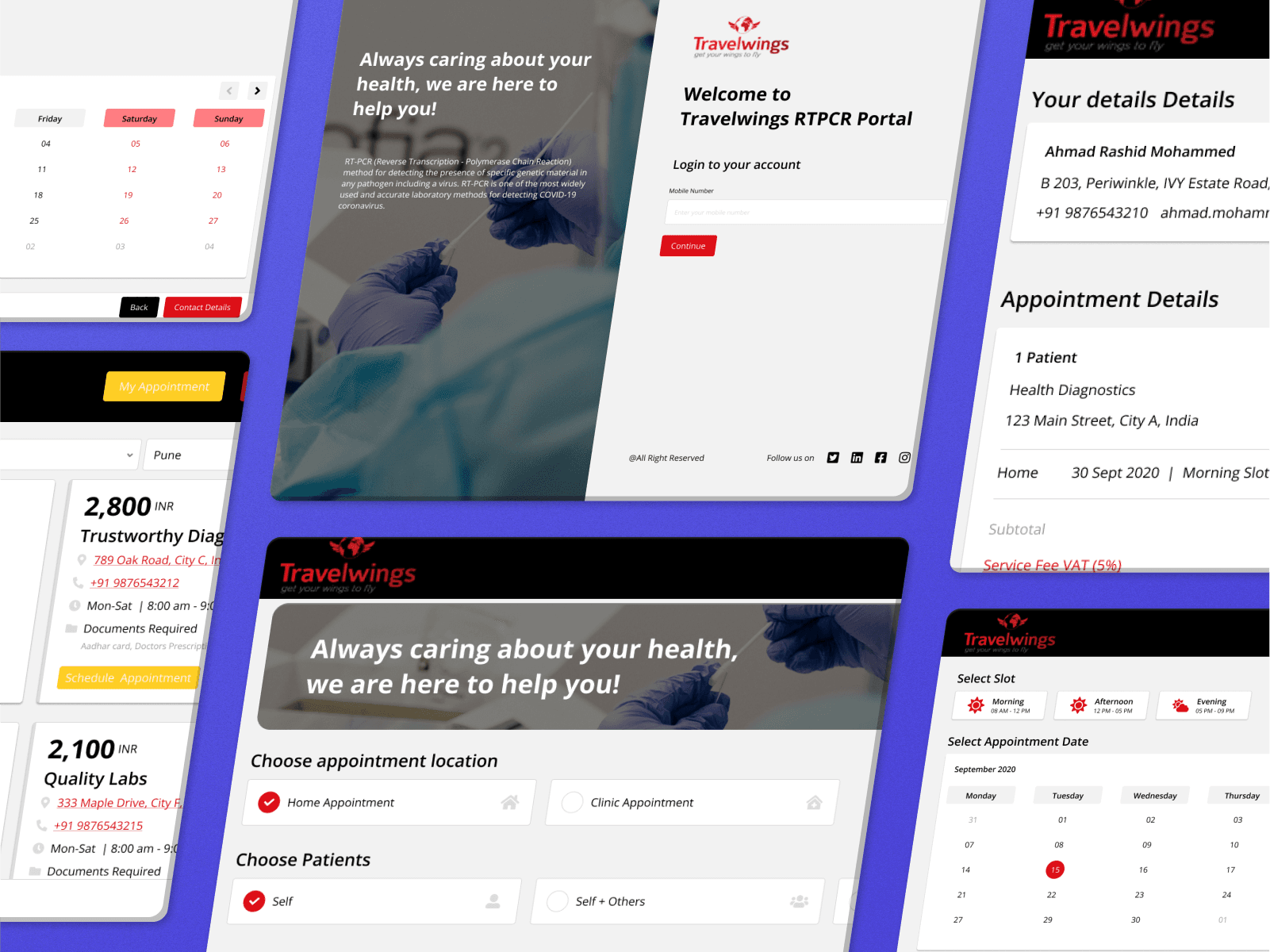
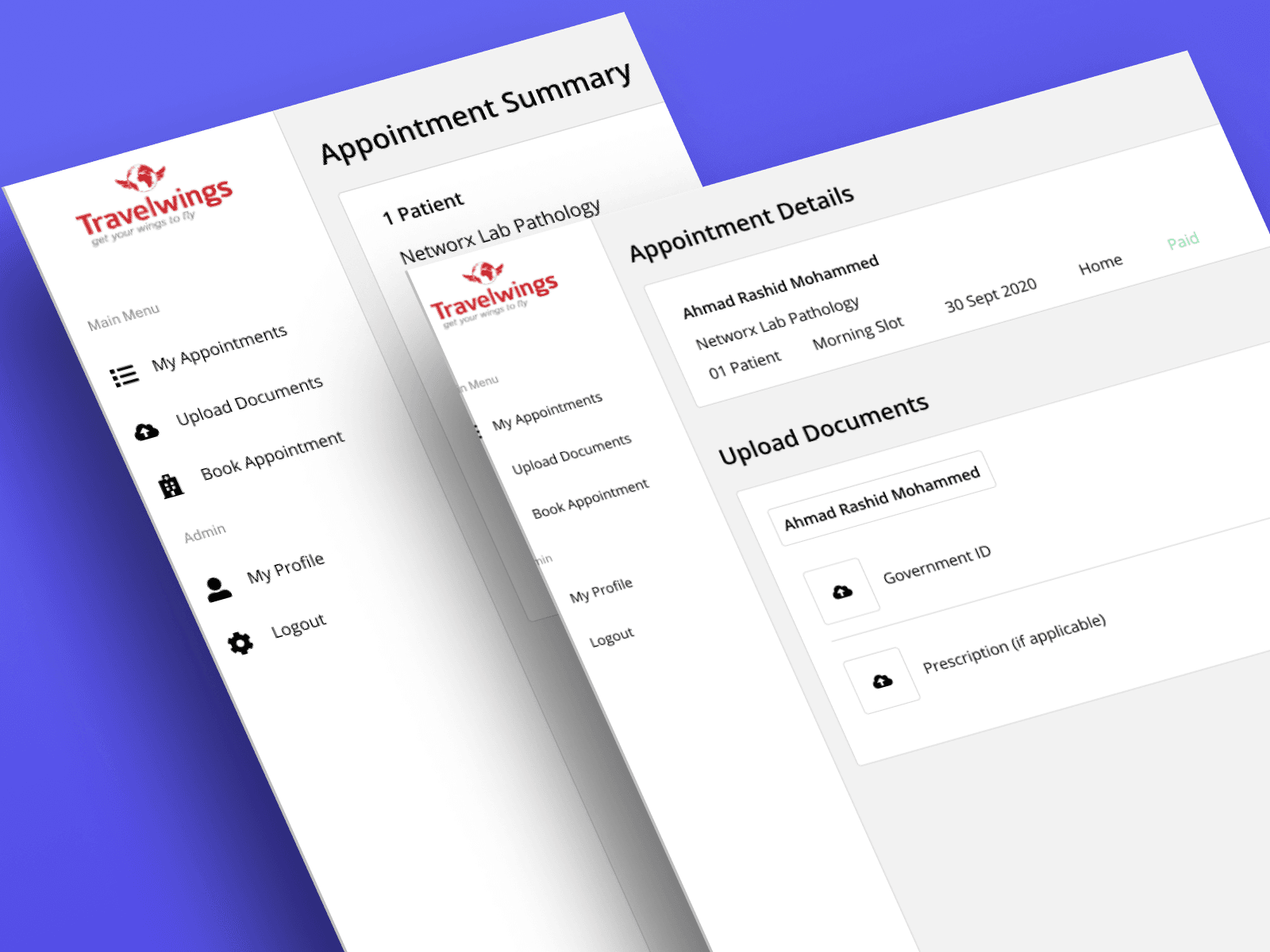
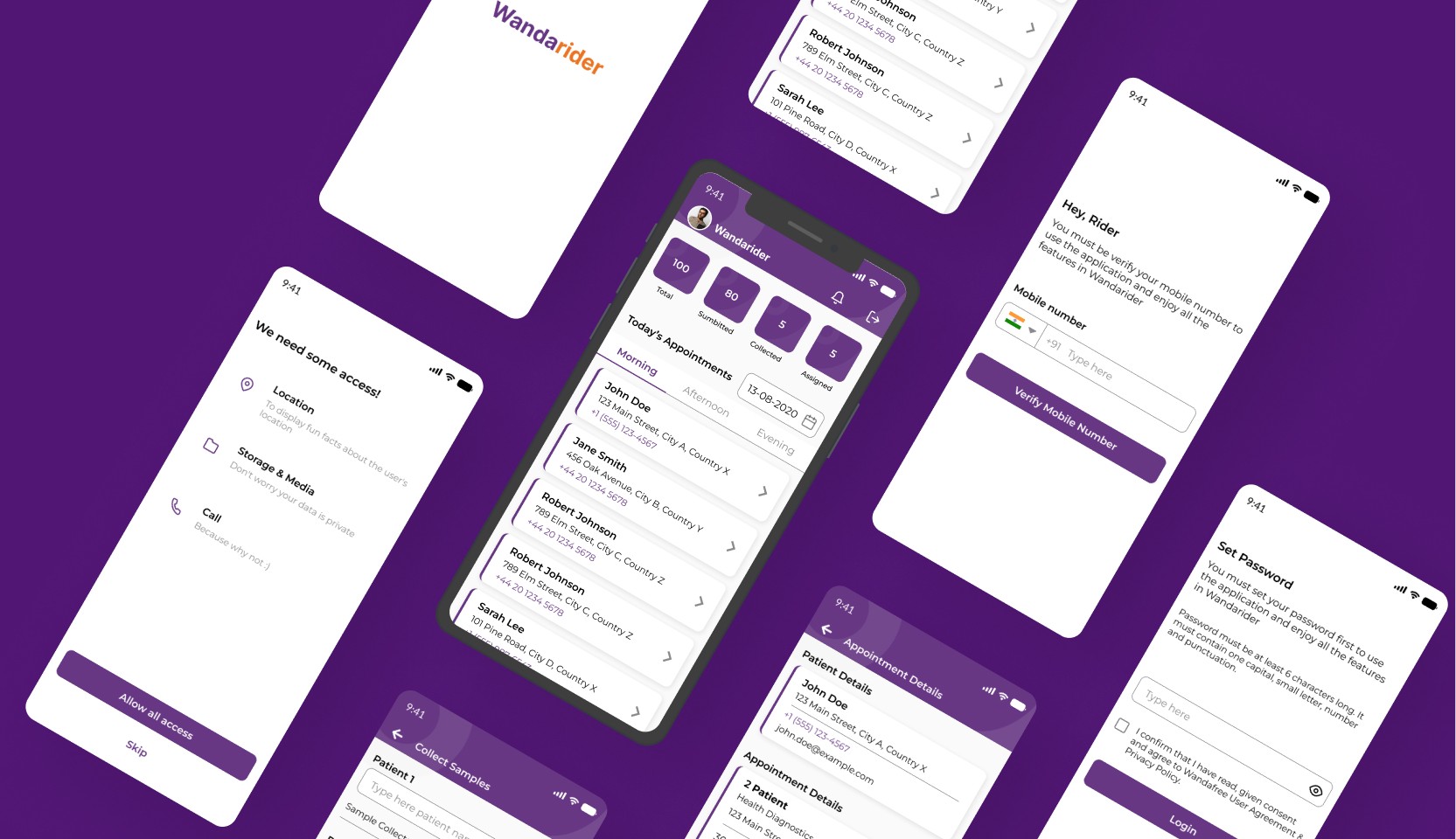
I approached the design of the RTPCR Test Booking Portal and Sample Collection Mobile App by considering the needs of the users. I conducted thorough research to understand their issues. By working together with stakeholders and using an iterative design approach, I ensured a smooth and efficient booking experience. The solutions prioritize clear information structure, responsive design, and data security measures to build trust among users. The mobile app for sample collection riders focuses on optimizing routes and facilitating seamless communication, addressing specific challenges in sample logistics.
Our Process
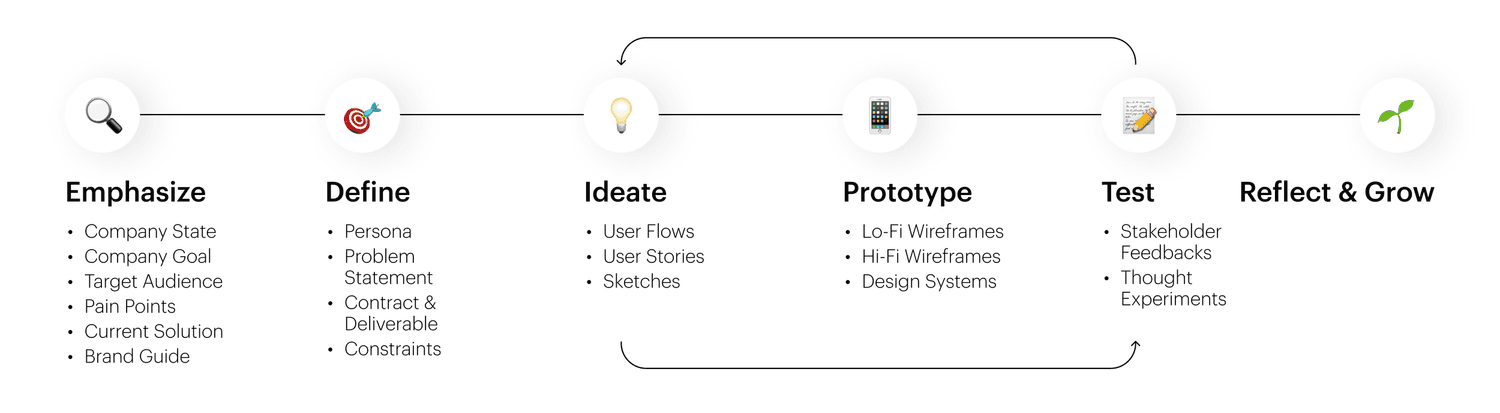
Mostly I follow the design thinking 5 steps for UI UX design.
User Persona
To understand the users, I carefully read through all the client documents. I initiated 2 meetings with the PM, BA to clarify the user situations and the user problem. The PM, BA did not plan to conduct another round of user research or user testing, so I worked within the constraint and mad full use of existing resources. I incorporated the insights into the user persona named Rajeev Patil and Ashish Chugh.
Rajeev P.
50 years old
Pune, India
Business
Bio
Rajeev is a technical professional working as a business person. He values efficiency in his daily tasks and often relies on digital solutions for various aspects of his life.
Quote
I need a simple and secure platform to book my regular RT-PCR tests. Quick updates and clear instructions are essential for my busy schedule.
Goals
Book RT-PCR test online
Convenient blood sample home collection
Fast and accurate test results
Secure and private data handling
Easy payment options
Transparent pricing information
Ability to schedule appointments
Needs
Convenient and hassle-free testing process
Transparent and upfront pricing information
Access to a network of trusted testing centers
Assurance of accurate and reliable test results
Easy access to test reports
Tasks
Search for online platforms offering RT-PCR tests
Compare pricing and services of different platforms
Select a platform that offers home collection of blood samples
Provide personal and contact information for registration
Schedule an appointment for the test
Make payment for the test
Frustration
Difficulty in finding a reliable testing platform
Long waiting times for test results
Lack of transparency in pricing
Inconvenient appointment scheduling
Complicated and time-consuming testing process
Limited access to testing centers
Difficulty in accessing test reports
Motivations
Efficient and hassle-free experience
Avoiding long waiting times at testing centers
Ensuring personal health and safety with home blood collection
Complying with travel or work requirements
Maintaining privacy and confidentiality
Having control over the testing process
Opportunities
Collaboration with trusted testing centers
Providing educational resources on COVID-19 testing
Partnering with travel agencies or employers
Implementing a user-friendly and intuitive interface
Offering flexible payment options
Ensuring data privacy and security
Example of the User Story
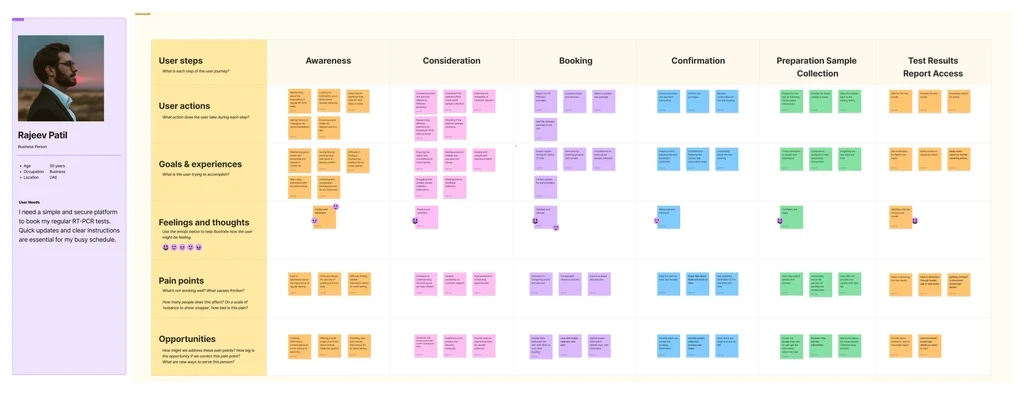
As a frequent traveler, Rajeev wants to conveniently book an RTPCR test at home to meet travel requirements. Rajeev expects a user-friendly platform that allows for easy scheduling, clear instructions for test preparation, and real-time updates on the appointment status. By using the RTPCR test booking portal, Alex aims to streamline the testing process, ensuring a hassle-free experience and timely access to test results.
Rajeev's User Journey Map
Example of the Problem Statement
Rajeev is a frequent traveler who needs a user-friendly platform that will support any device because, as a traveler, he prefers the same devices that allow for easy appointment booking with blood sample collection at home with safety and security, and receiving the test result online within a timeline because he frequently travels for business, so he is not able to visit the lab center, submit the blood, and wait for the test result.
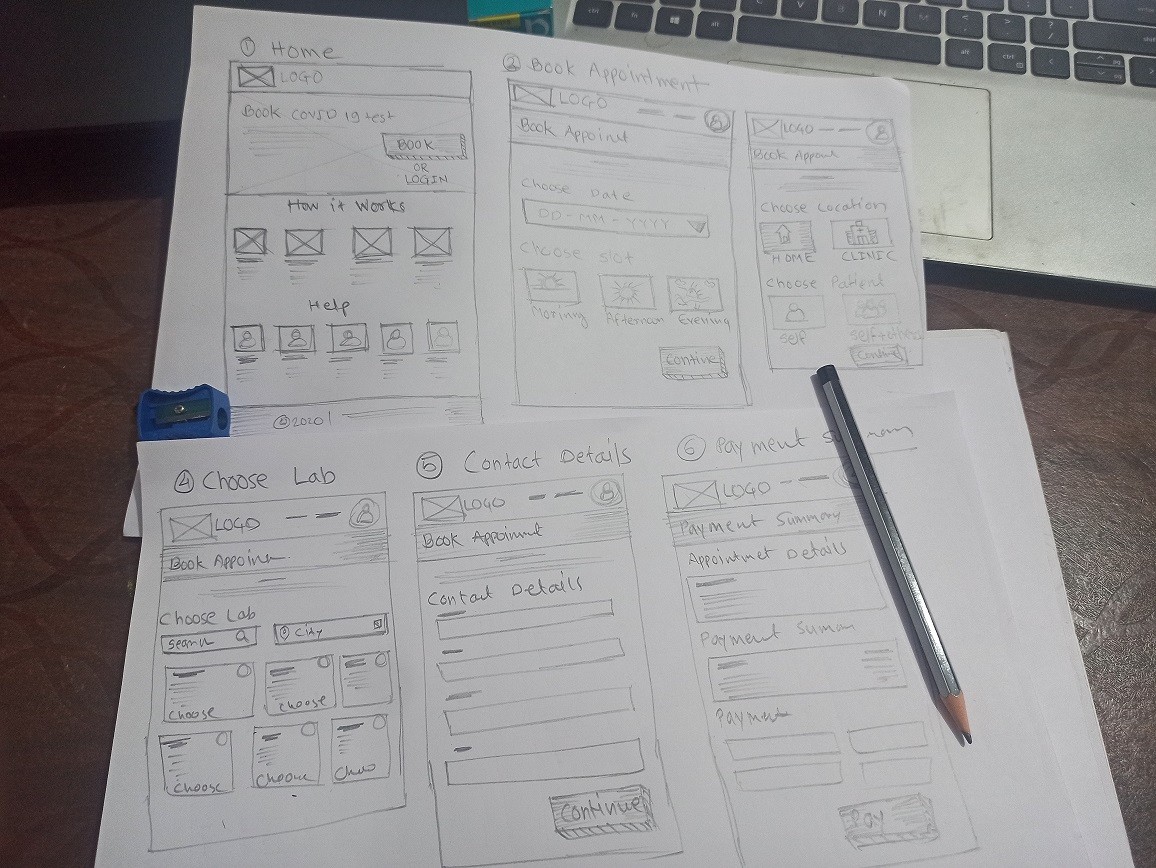
Paper First
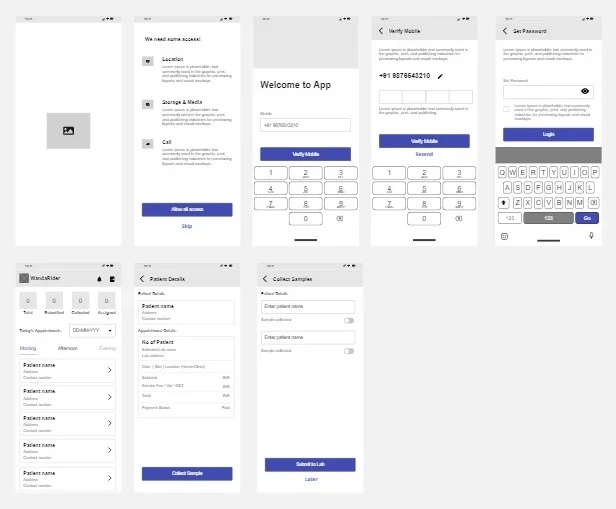
The process below begins with my initial idea’s wireframes, then moves to mockups, and finally to the high-fidelity prototype. In this simple version, you can see how the I approach solves the user needs. There are at most two major interaction areas per page to guide a user through the user flow they need.
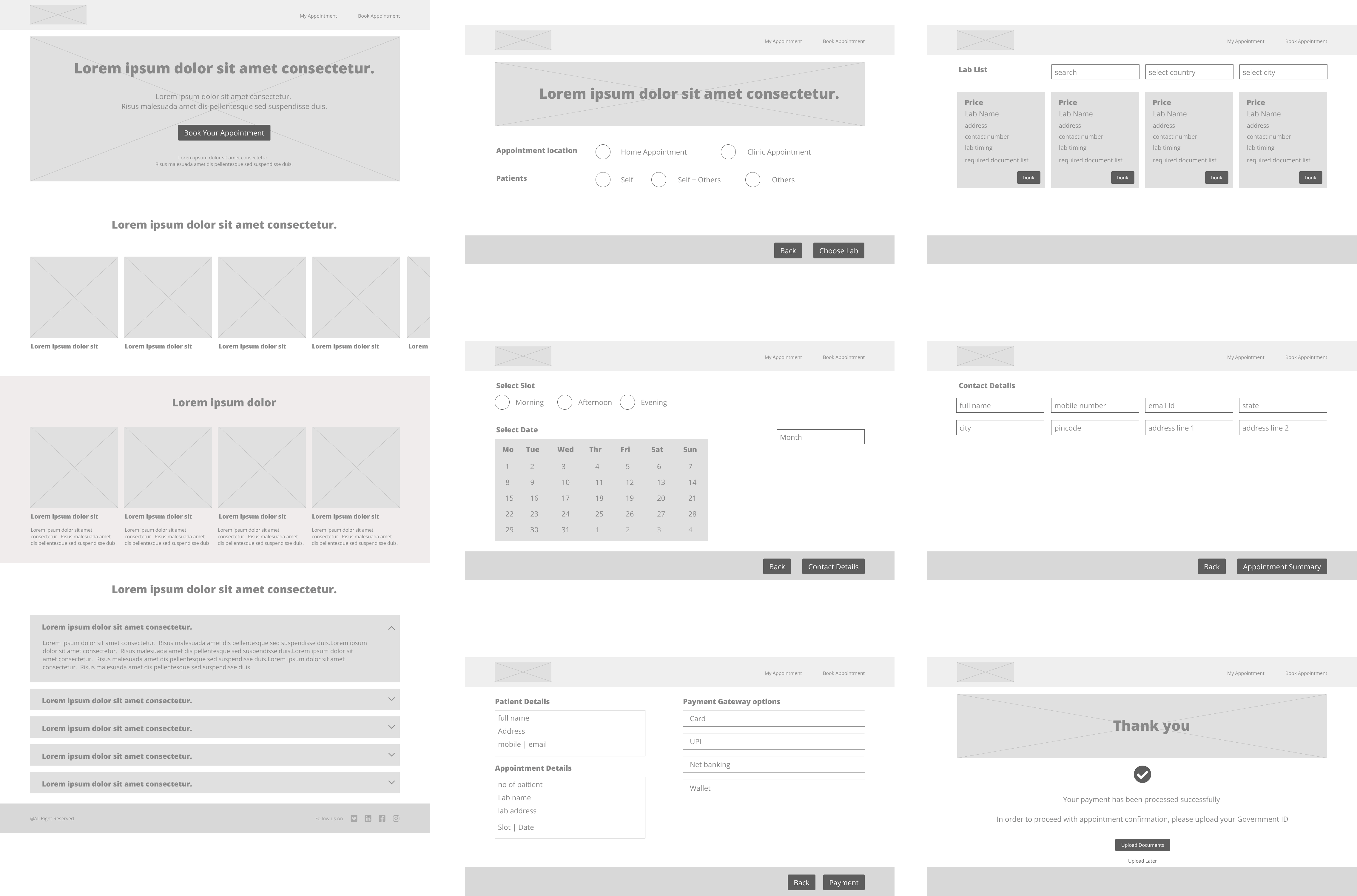
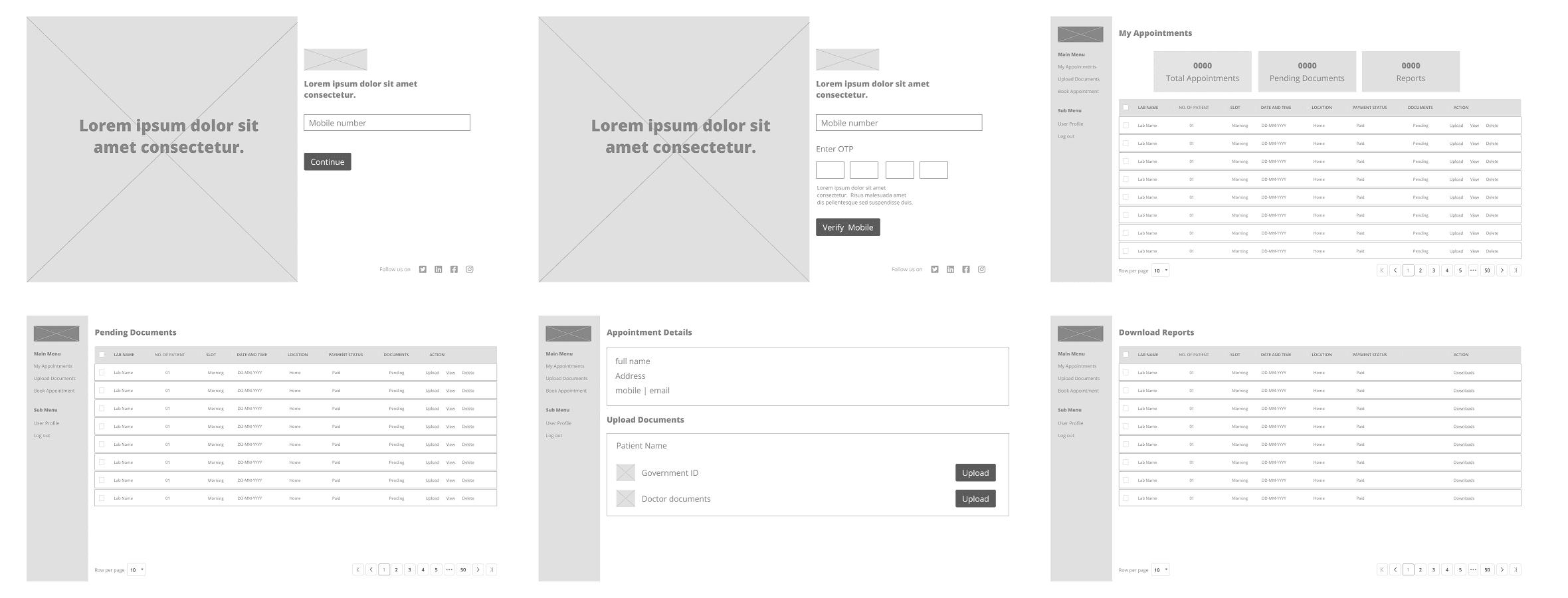
From Paper to Digital Wireframes
I then brought my idea to an interactive digital low-fidelity prototype and brought it the key stakeholders to collect feedbacks.
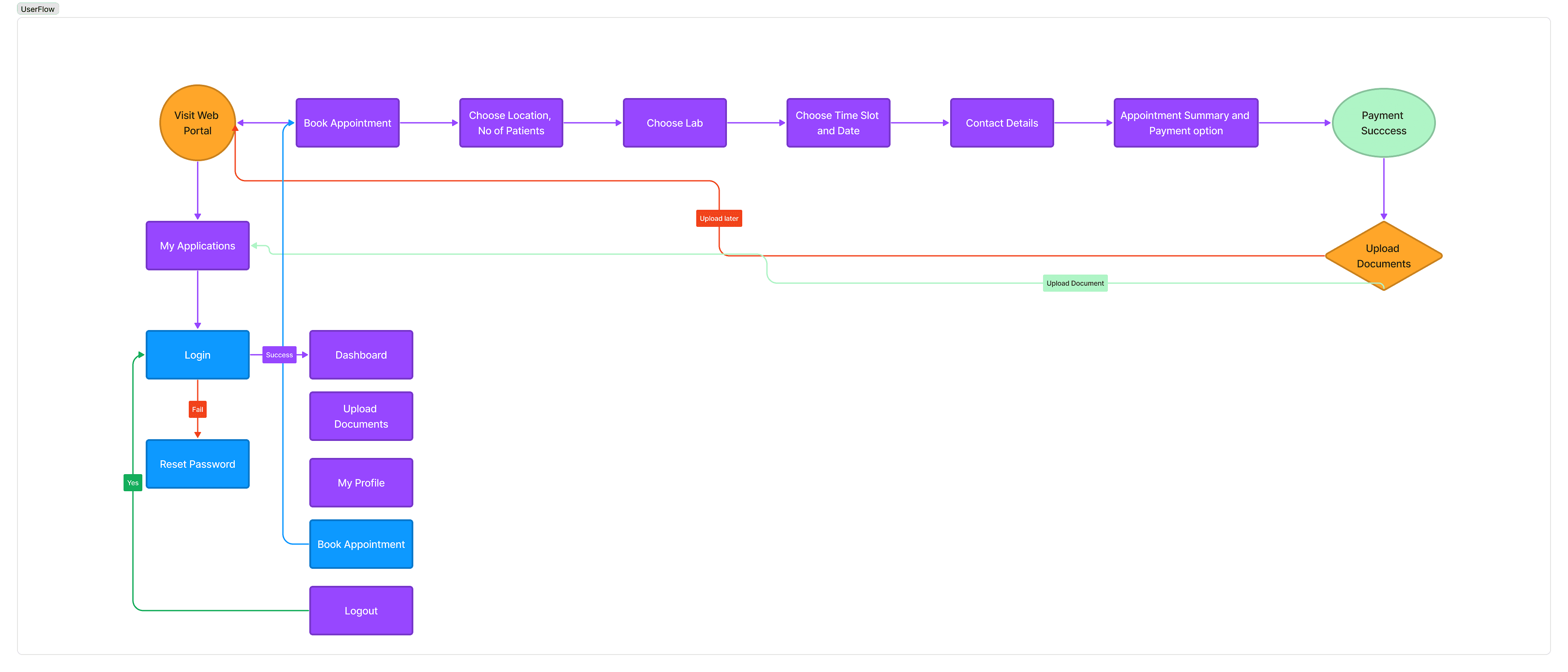
Userflow
After getting some ideas on paper, I mapped out the user flow if Emily came to TS Mobile app. The user flow includes two major paths: one where Emily starts with a self-attendance and the other with Emily getting class attendance.
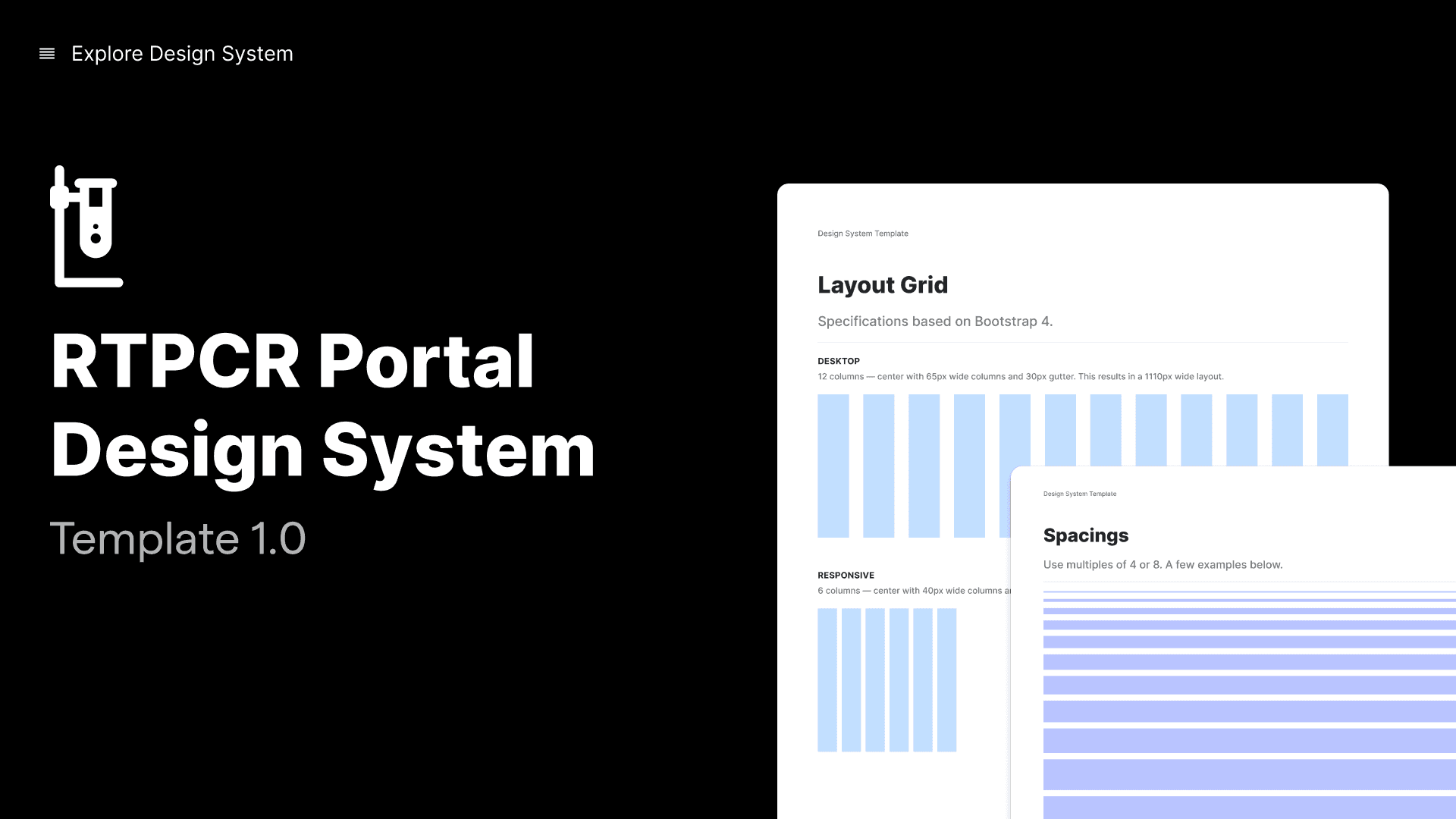
Design System
Basically, we followed Google Material design systems and created own design systems with our font family and color combination.
Design Iterations
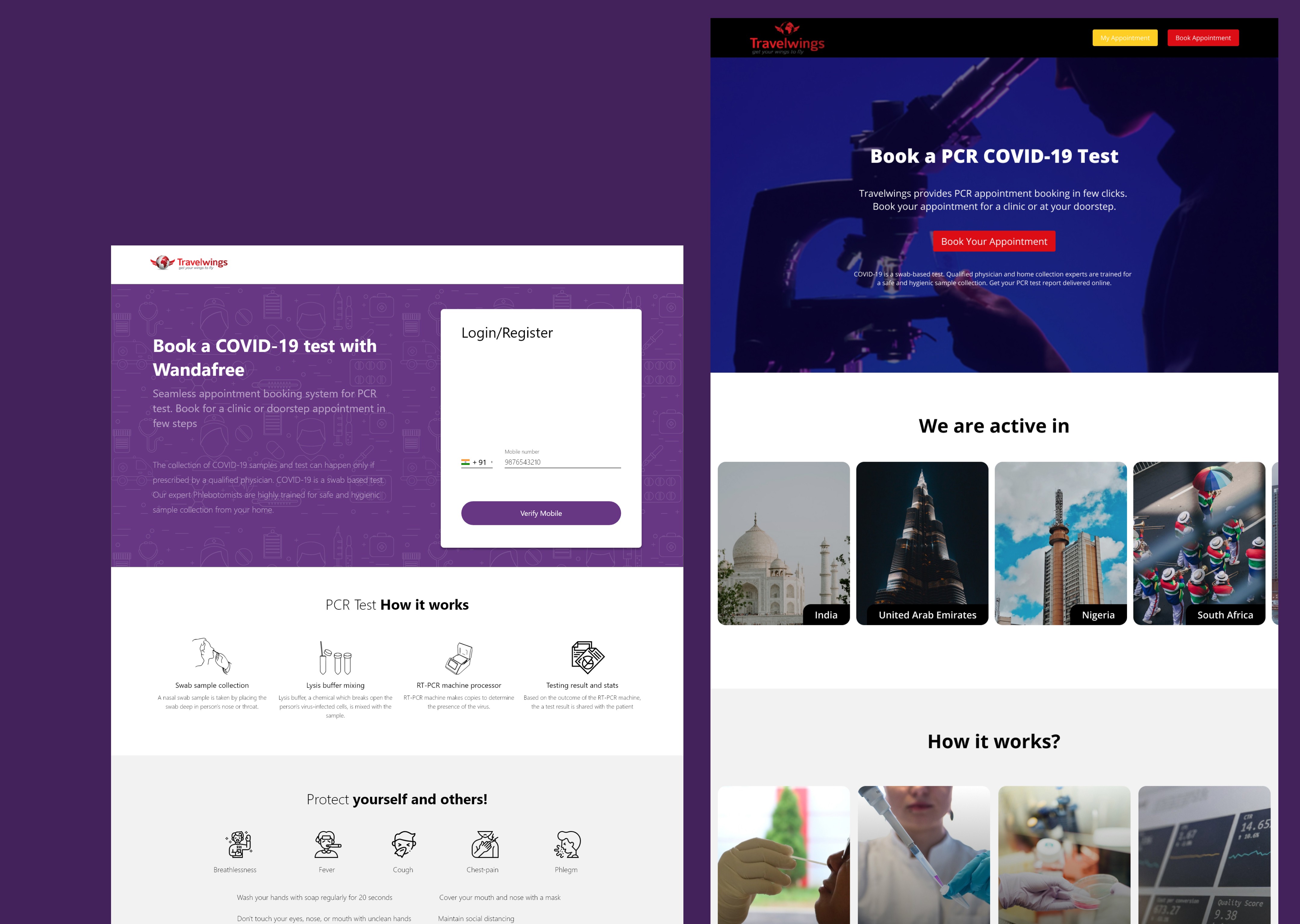
In the beginning, we chose to have users register before using the website. Initially, the home design included a sign-up section at the top.
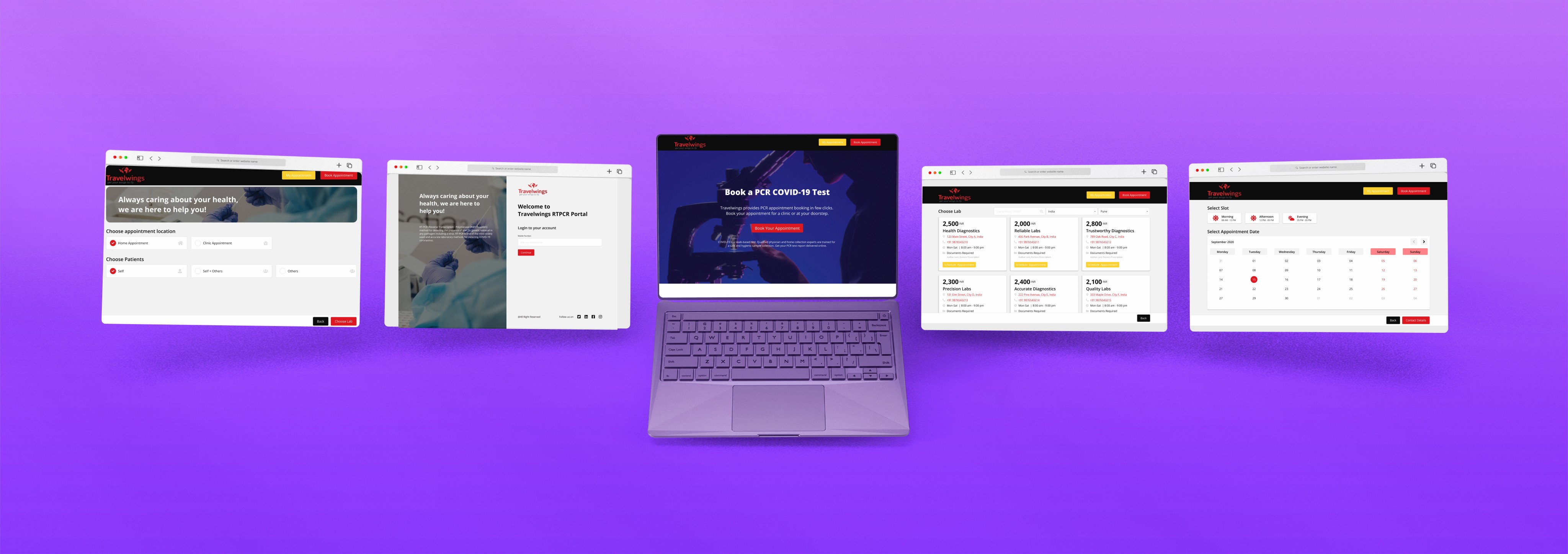
After a few rounds of decision-making, we decided to prioritize the book appointment feature. As a result, we updated the design to include "Book Appointment" and "My Appointment" buttons at the top. Another important feature is the service locations, which are represented by country names.
To address user queries, we added a section called "How it Works" to provide an understanding of the process. Additionally, we included FAQs to help users find important information.
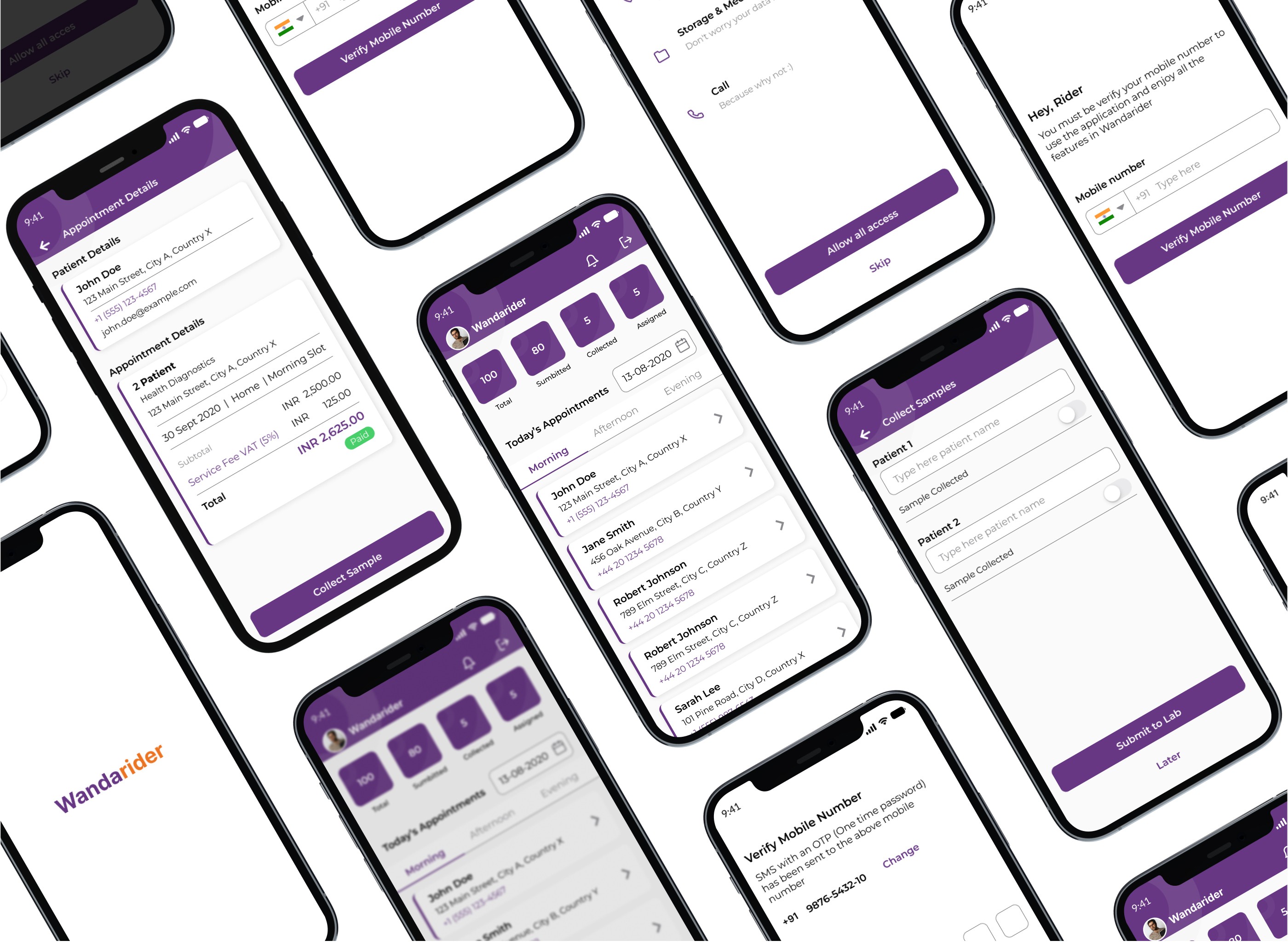
Mobile Mockups
Basically, we followed Google Material design guidelines and created own mockups
Web Mockups
What I Learned?
During the design of the RTPCR test booking portal and Blood Sample Collection mobile app, the focus was on putting the user first. The design aimed to be clear and efficient, making it easy for users to navigate and understand their test results. Real-time updates and mobile responsiveness were included to build user confidence. Security and privacy were prioritized to establish trust.
The design also emphasized consistent branding, efficient sample collection, and inclusivity for diverse user needs. Continuous learning and collaboration across teams were key to achieving successful outcomes and ensuring that the platforms met user expectations and industry standards.
© Sagar Sutar 2023
sagar.webxperts@gmail.com
+91 8007102187